✅ Authentic & Original Products | ⭐ Trusted by Thousands | 💵 Cash on Delivery | 🚚 Pan India Delivery | 🔒 Secure Payments
✅ Authentic & Original Products | ⭐ Trusted by Thousands | 💵 Cash on Delivery | 🚚 Pan India Delivery | 🔒 Secure Payments









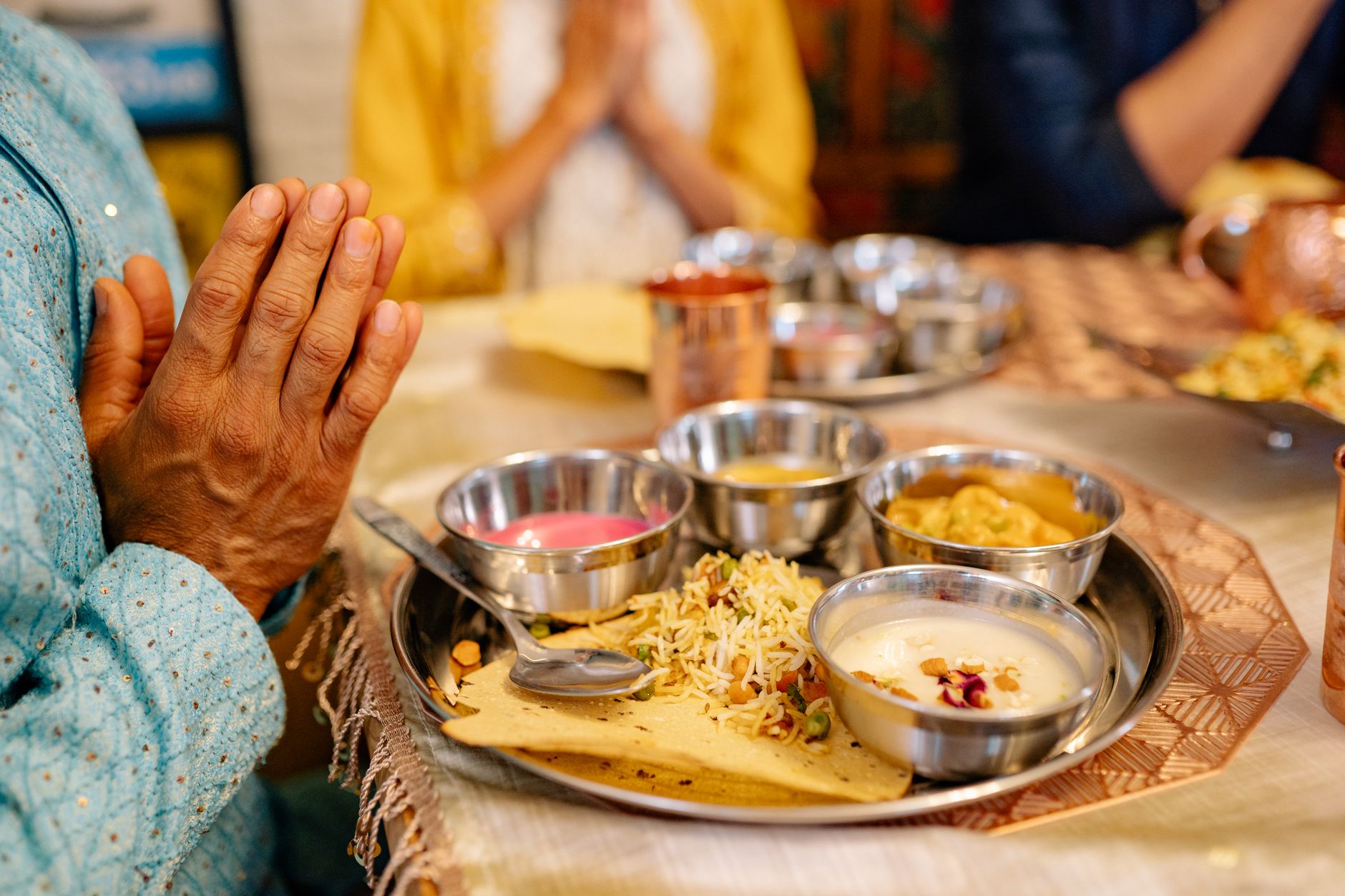
Navratri Fasting Rules 2026: What Is Allowed, What Is Not, and Why
Navratri Fasting Rules 2026: What Is Allowed, What Is Not, and Why
Navratri 2026 runs from Sunday, 11 October to Monday, 19 October. Fasting through it varies enormously by household, and the rules are inherited rather than written down anywhere central, which is why almost everyone has a question about something.
This guide sets out what is traditionally permitted, what is set aside, and the reasoning behind rules that otherwise look arbitrary.
The Forms the Fast Takes
There is no single Navratri vrat. Households keep one of several, and all are traditional.
Nirjala on the first and last days only, with falahar through the middle seven, which is a common compromise for working households.
Ekadana, one meal a day, taken in the evening after the puja.
Falahar throughout, eating only permitted foods across all nine days. This is the most widely kept form.
Satvik without fasting, simply avoiding onion, garlic, grains and non-vegetarian food while eating normally otherwise. Increasingly common and entirely valid.
Families choose according to their own tradition, and none is regarded as superior. Anyone who is pregnant, unwell, elderly or managing a medical condition should adapt the observance or set it aside, which the tradition has always permitted. Speak to a doctor if there is any doubt.
What Is Set Aside
Grains. Wheat, rice, maize, semolina, besan, oats and the flours made from them. This is the central restriction, and most of the other rules follow from it.
Ordinary salt. Replaced by sendha namak, rock salt.
Onion and garlic. Set aside as rajasic and tamasic in the Ayurvedic classification, held to stimulate rather than settle.
Pulses and lentils. Most dals are avoided, along with legumes generally.
Non-vegetarian food, eggs and alcohol. Set aside for the full nine days by observing households, and by many who do not otherwise fast.
Certain spices. Turmeric, asafoetida, mustard seed, fenugreek and garam masala are traditionally avoided, with jeera, black pepper, green cardamom and ajwain permitted.
What Is Permitted
Flours. Kuttu ka atta (buckwheat), singhara atta (water chestnut), rajgira atta (amaranth) and arrowroot. None of these is botanically a grain, which is the reason they are allowed.
Grain substitutes. Samak rice, also called barnyard millet or moraiyo, and sabudana. Both are staples of the vrat kitchen.
Vegetables. Potato, sweet potato, arbi, bottle gourd, pumpkin, tomato, cucumber, carrot, spinach and raw banana. Root vegetables are broadly permitted here, unlike in Jain practice.
Dairy. Milk, curd, paneer, ghee, butter, khoya and cream, all without restriction.
Fruit and nuts. All fruit, along with almonds, cashews, walnuts, raisins, makhana and peanuts.
Sweeteners. Sugar, jaggery, honey.
Herbs. Green chilli, ginger, coriander and curry leaves.
Why Sendha Namak?
The question everyone eventually asks.
Sendha namak is rock salt, mined rather than produced by evaporation, and it is considered unprocessed in a way ordinary table salt is not. Traditional practice classifies it as satvik where refined salt is not, and it requires no industrial processing to reach the kitchen.
The seasonal explanation given alongside is that Navratri falls at the turn between seasons, when the tradition holds that digestion is weaker and lighter, less processed food suits the body better.
Whichever reasoning you find persuasive, sendha namak is what vrat cooking uses.
The Reasoning Behind the Grain Restriction
Both Navratris fall at seasonal junctions: Chaitra at the turn into summer, Sharad at the turn into winter. Ayurveda treats these transitions as periods when the body’s digestive capacity shifts and immunity is lower.
Setting aside grains, pulses and heavy foods for nine days functions as a seasonal lightening, and the tradition frames the fast as much in terms of the body as of devotion.
Whether or not one accepts the framework, the practical effect is a nine-day reset on eating, which is roughly what it is intended to be.
What a Day Usually Looks Like
Rather than a prescriptive plan, here is what households typically eat, which you can take as loosely as you like.
Morning: fruit, milk, tea without ordinary salt, soaked almonds or makhana.
Midday: sabudana khichdi, samak rice pulao, kuttu or singhara puri with aloo sabzi, or vrat-style paratha.
Evening: roasted makhana, fruit chaat, or a milk-based drink.
After the puja: the main meal for those keeping ekadana, typically samak rice with curd, kuttu puri and potato, or a khichdi.
Sweets: sabudana kheer, lauki halwa, rajgira ladoo, singhara halwa.
Two Practical Cautions
Vrat food is frequently heavier than ordinary food, not lighter. Deep-fried kuttu puri with potato, followed by halwa, is not a light meal, and many people finish Navratri feeling worse rather than better. If the seasonal-lightening reasoning appeals to you, the cooking method matters as much as the ingredient list.
And if you are also doing garba for four hours a night, be sensible about the combination. Fasting plus sustained physical exertion is the single most common cause of people fainting at Garba grounds. Drink water, eat enough to sustain the evening, and step out when you need to. Our garba guide covers the rest.
Frequently Asked Questions
What can be eaten during a Navratri fast?
Kuttu, singhara, rajgira and arrowroot flours; samak rice and sabudana; potato, sweet potato, arbi, bottle gourd, pumpkin and most vegetables; all dairy; all fruit and nuts; sugar, jaggery and honey; and sendha namak in place of ordinary salt.
What is not allowed during Navratri fasting?
Grains including wheat, rice, maize, semolina and besan; ordinary salt; onion and garlic; most pulses and lentils; non-vegetarian food, eggs and alcohol; and spices including turmeric, asafoetida, mustard seed and garam masala.
Why is sendha namak used instead of ordinary salt?
Sendha namak is rock salt, mined rather than produced by evaporation and unprocessed in a way refined table salt is not. Traditional practice classifies it as satvik, and the seasonal reasoning holds that lighter, less processed food suits the body at the turn of seasons when Navratri falls.
Can rice be eaten during Navratri?
Ordinary rice is a grain and is set aside. Samak rice, also called barnyard millet or moraiyo, is not a grain and is permitted, and is the standard substitute in vrat cooking.
Why are onion and garlic avoided?
Both are classified as rajasic and tamasic in Ayurvedic tradition, held to stimulate rather than settle the mind, which runs against the intention of the observance. Many households avoid them for the nine days even without keeping a full fast.
Is it necessary to fast during Navratri?
No. Households keep the observance in several forms, from a full nirjala fast to simply eating satvik food without fasting, and none is regarded as superior. Anyone pregnant, unwell, elderly or managing a medical condition should adapt or set aside the fast, which the tradition permits.
Nine Days of Eating Differently
The Navratri fast is less about denial than about a nine-day change in how a household eats, at a point in the year when the season is turning anyway.
Our Navratri 2026 guide covers the nine Devi forms, the colours guide has the daily list, and the garba guide covers the evenings.
Fasting practices are described here as tradition rather than as health, dietary or nutritional guidance. Anyone pregnant, unwell, elderly or managing a medical condition should consult a doctor before fasting. Practices vary by region and family; follow your own household tradition where it differs.