✅ Authentic & Original Products | ⭐ Trusted by Thousands | 💵 Cash on Delivery | 🚚 Pan India Delivery | 🔒 Secure Payments
✅ Authentic & Original Products | ⭐ Trusted by Thousands | 💵 Cash on Delivery | 🚚 Pan India Delivery | 🔒 Secure Payments












Dussehra 2026: Vijayadashami, Shastra Puja and Why It Needs No Muhurat
Dussehra 2026: Vijayadashami, Shastra Puja and Why It Needs No Muhurat
Dussehra falls on Tuesday, 20 October 2026, the day after Maha Navami closes Navratri. It is Vijayadashami, the victory of the tenth, and in the traditional reckoning it is one of the most auspicious days in the entire year.
This guide covers what the day marks, the pujas performed on it, the regional traditions that differ enormously, and why it is the day people choose to begin things.
What Vijayadashami Marks
Two victories, held simultaneously by different traditions.
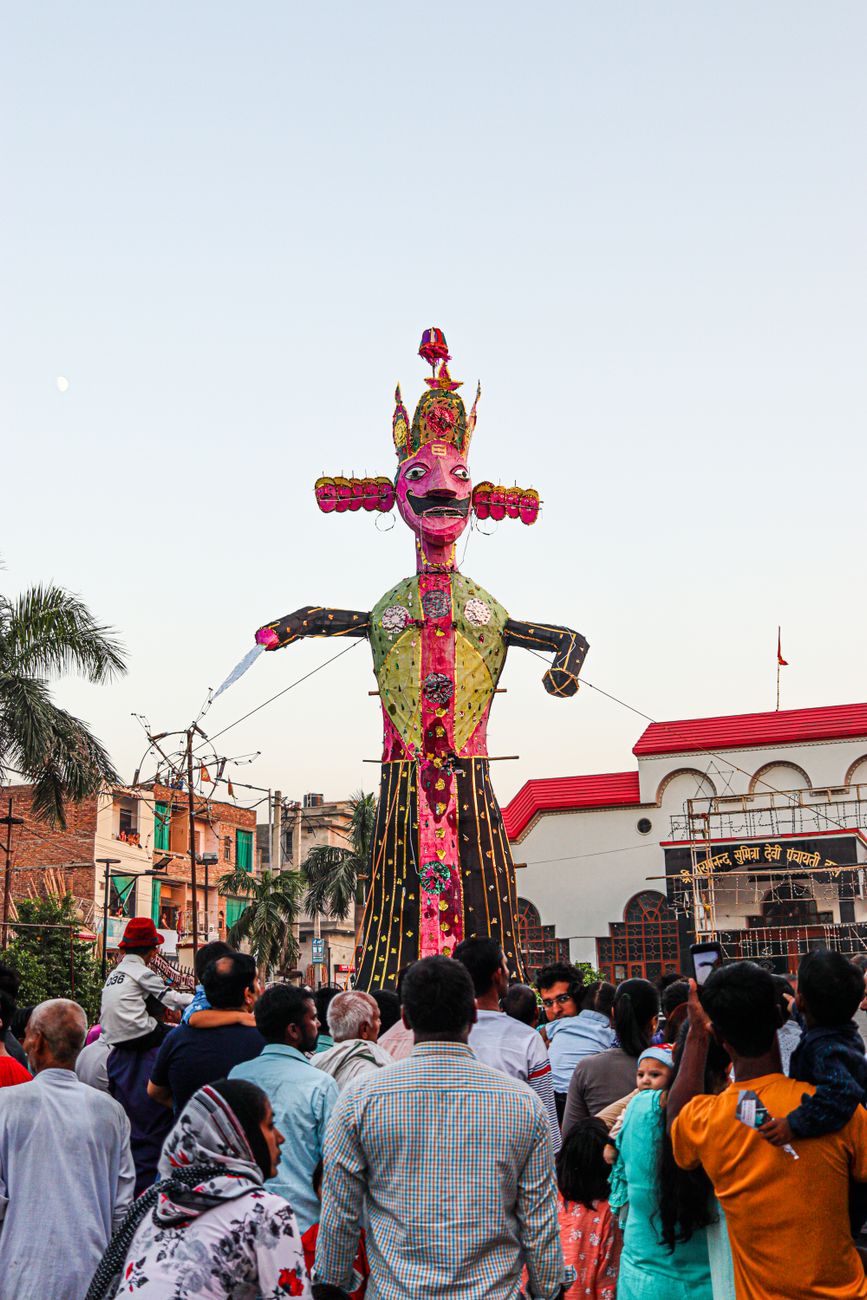
In the north, Dussehra marks Rama’s defeat of Ravana after a battle of ten days, which is where the name comes from: dasha-hara, the removal of the ten, understood both as Ravana’s ten heads and as the ten failings they represent. Effigies are burned at nightfall, and Ramlila performances across North India run through the preceding nine nights to reach this conclusion.
In the east and much of the rest of the country, the day marks Durga’s defeat of Mahishasura on the tenth day of the battle that Navratri commemorates. In Bengal it is Bijoya Dashami, when the idols are immersed and the goddess returns to Kailash.
Both readings share the same structure: a nine-day struggle concluded on the tenth.
Why Dussehra Needs No Muhurat
This is the part with real practical consequence.
Vijayadashami is one of the Saade Teen Muhurat, the three and a half most auspicious periods of the Hindu year, alongside Gudi Padwa, Akshaya Tritiya and the half share held by Bali Pratipada or Diwali Padwa.
On these days, the entire day is considered auspicious. No separate muhurat is required. Anything begun on Vijayadashami is held to carry its own auspiciousness, which is why the day sees such volume: vehicles bought, businesses opened, foundations laid, courses begun, instruments taken up.
The timing helps too. Pitru Paksha, when purchases are traditionally set aside, ends on 10 October. Navratri follows immediately, and Dussehra closes it. After a fortnight of deliberate restraint, this is the day the calendar opens.
Shastra Puja and Ayudha Puja
The tradition of worshipping one’s tools belongs to this day.
The origin is in the Mahabharata. The Pandavas, entering their year of concealment, hid their weapons in a shami tree. On completing the year, they retrieved them on Vijayadashami, worshipped them, and went to war. Arjuna’s victory that followed gave the day its association with arms.
Shastra Puja is the worship of weapons, kept by royal households, the armed forces and in Rajput and Maratha tradition.
Ayudha Puja extends it to every instrument of livelihood, and this is the version most households keep. Whatever you work with is cleaned, decorated with haldi, kumkum and flowers, and worshipped: tools in a workshop, machinery in a factory, vehicles, instruments, kitchen implements, and now laptops and equipment in offices.
The principle is that what earns your living deserves acknowledgement once a year. In South India, offices and workshops close for it entirely.
Vidyarambham and Saraswati Puja
In Kerala, Karnataka and Tamil Nadu, the day is for learning rather than arms.
Books and instruments are placed before Saraswati on Ashtami and Navami, left untouched, and taken up again on Vijayadashami. Vidyarambham is performed on this morning: a child’s first letters, traditionally written in rice or sand with an elder guiding the hand, formally beginning their education.
This is why Vijayadashami is chosen for starting a course, learning an instrument, or beginning any study. If you have been meaning to start something that requires learning, this is the traditional day for it.
Apta Leaves and the Shami Tree
In Maharashtra, people exchange apta leaves on Dussehra evening, calling them sona, meaning gold, with the greeting that translates as take gold and be as gold.
The story behind it concerns a student who needed to pay his guru’s fee and received it from Kubera as a rain of gold coins that fell upon an apta tree. What he did not need he distributed, and the exchange of the leaves preserves the gesture.
The shami tree, in which the Pandavas hid their weapons, is worshipped on the same day. Both traditions run together in Maharashtra and parts of Gujarat and Karnataka.
What to Do on the Day
Bathe early and wear new or clean clothes. Perform Aparajita Puja in the afternoon during Vijaya Kaal, invoking the goddess in her undefeated form.
Clean and worship the tools of your work: your vehicle, your instruments, your equipment. Offer haldi, kumkum, flowers and a sweet, and light a diya.
If children are starting school, or anyone is beginning a course or an instrument, Vidyarambham belongs to this morning.
Then begin whatever you have been holding. A purchase, a venture, a habit, a foundation. The day exists for exactly that.
In the evening, Ravana dahan, or Bijoya visarjan, depending on where you are.
If You Are Beginning Something
For households marking a new start, the items traditionally acquired are those meant to stay: something for the puja space, something for the entrance, or something worn daily.
A Shree Yantra installed on Vijayadashami is a common choice for a new business, kept afterwards with the accounts. For a new home or workspace, our Kirti Mukh guide covers entrance protection, and the yantras and vastu items collection has the range.
For anyone beginning study or work, Tiger Eye and Clear Quartz are the stones traditionally associated with focus and clarity.
Frequently Asked Questions
When is Dussehra 2026?
Tuesday, 20 October 2026, the day after Maha Navami concludes Navratri. It is also called Vijayadashami and Bijoya Dashami.
Why is Dussehra considered auspicious for new beginnings?
Vijayadashami is one of the Saade Teen Muhurat, the three and a half most auspicious periods of the Hindu year. On these days the entire day is auspicious and no separate muhurat is needed, so anything begun carries its own auspiciousness.
What is Shastra Puja?
The worship of weapons, originating from the Pandavas retrieving their arms from a shami tree on Vijayadashami. Ayudha Puja extends the same practice to every instrument of livelihood: tools, machinery, vehicles, instruments and equipment.
What is Vidyarambham?
The formal beginning of a child’s education, performed on Vijayadashami morning, with the first letters written in rice or sand while an elder guides the hand. It is observed particularly in Kerala, Karnataka and Tamil Nadu, and makes the day traditional for beginning any course or instrument.
Why are apta leaves exchanged on Dussehra?
In Maharashtra the leaves are called sona, meaning gold, from a story in which a student received a rain of gold coins upon an apta tree and distributed what he did not need. Exchanging the leaves preserves that gesture.
Can a vehicle or property be bought on Dussehra?
Yes, and it is among the heaviest buying days of the year for exactly that reason. As one of the Saade Teen Muhurat, the day requires no separate muhurat for a purchase or a new venture.
The Tenth Day
Nine nights of struggle, and then a day that asks only that you begin. Clean what you work with, acknowledge it, and start the thing you have been waiting on.
Our Navratri 2026 guide covers the nine nights leading here, and the Sharad Purnima guide covers the full moon five days later.
Ritual practices vary considerably by region and community; follow your own family’s tradition where it differs. Festival dates follow tithi and may vary by a day depending on your local panchang.