✅ Authentic & Original Products | ⭐ Trusted by Thousands | 💵 Cash on Delivery | 🚚 Pan India Delivery | 🔒 Secure Payments
✅ Authentic & Original Products | ⭐ Trusted by Thousands | 💵 Cash on Delivery | 🚚 Pan India Delivery | 🔒 Secure Payments










Paryushan 2026: Dates, Practice and the Meaning of Michhami Dukkadam
Paryushan 2026: Dates, Practice and the Meaning of Michhami Dukkadam
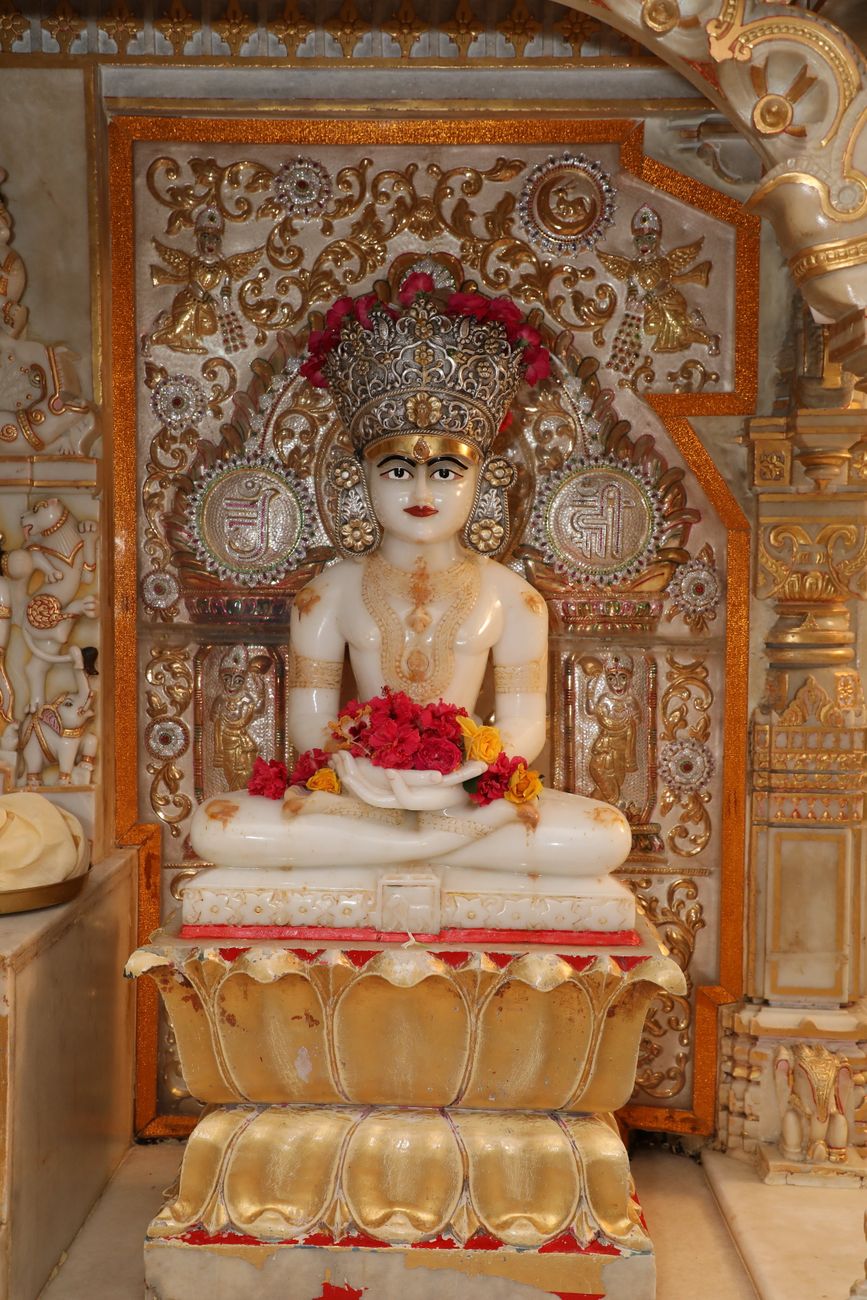
Paryushan is the most significant observance in the Jain year, and it is unlike almost any other festival in India. There is no feasting, no decoration, no gifting and no spectacle. What there is instead is eight or ten days of fasting, scriptural listening, self-examination, and finally an act of forgiveness offered to every living being without exception.
This guide covers the 2026 dates for both traditions, what happens on each day, the forms fasting takes, and what Michhami Dukkadam actually means for those encountering it for the first time.
Paryushan 2026 Dates
Shwetambar Paryushan Parva: Tuesday, 8 September to Tuesday, 15 September 2026, eight days.
Samvatsari: Tuesday, 15 September 2026.
Tapasvi Parna (fast breaking): Wednesday, 16 September 2026.
Digambar Das Lakshan Parva: ten days beginning mid-September, with panchangs differing on whether it starts on 15 or 16 September and concludes on 24 or 25 September 2026.
Kshamavani: follows the final day, observed on 25 September in most calendars.
Because Jain parvas follow tithi rather than the Gregorian calendar, and because sunrise varies by city, local sanghs occasionally differ by one day. This is normal and not a discrepancy to be resolved. Confirm with your own sangh or temple, particularly if you are outside India.
Note what the calendar produces in 2026: the Digambar observance begins immediately as the Shwetambar one ends, so the whole span from 8 to 25 September becomes a continuous season of restraint rather than a single week.
What Paryushan Means
The word derives from Sanskrit and carries the sense of abiding, of coming together, of drawing inward. It falls during the monsoon, the period when Jain monks and nuns cease their wandering and remain in one place, since the rains bring an abundance of small life that walking would harm. The laity draws inward alongside them.
The purpose is stated plainly in Jain thought: to shed accumulated karma through austerity and self-examination, and to begin again. It is the annual reset of the spiritual year.
The Two Observances
Shwetambar and Digambar Jains observe the same essential festival differently, and the differences are worth understanding rather than blurring.
Shwetambar Paryushan runs eight days. Its centre is the recitation of the Kalpa Sutra, read across the days, which narrates the lives of the Tirthankaras and particularly of Lord Mahavir. The fifth day carries Mahavir Janma Vachan, the account of his birth, when the fourteen auspicious dreams of Mother Trishala are recounted and celebrated. The observance concludes with Samvatsari.
Digambar Das Lakshan Parva runs ten days, each dedicated to contemplation of one of the ten supreme virtues, or dashlakshan dharma. It concludes on Ananta Chaturdashi, with Kshamavani, the day of forgiveness, following.
The Ten Virtues of Das Lakshan
Each day of the Digambar observance takes one virtue as its subject, and the sequence is deliberate, beginning with forgiveness and ending with restraint of the self.
Uttam Kshama: supreme forgiveness.
Uttam Mardav: humility, the dissolving of pride.
Uttam Arjav: straightforwardness, the absence of deceit.
Uttam Shauch: purity, understood as freedom from greed.
Uttam Satya: truthfulness.
Uttam Sanyam: restraint of the senses and care for all life.
Uttam Tap: austerity.
Uttam Tyag: renunciation, particularly through giving.
Uttam Akinchanya: non-attachment, the recognition that nothing is truly one’s own.
Uttam Brahmacharya: chastity and self-discipline.
Fasting During Paryushan
Fasting is the visible core of the observance, and it takes many forms. What follows describes the tradition rather than recommending any particular practice, since fasting of this intensity is undertaken under the guidance of one’s guru or sangh and with attention to individual health.
Upvas is a full-day fast, with boiled water permitted during daylight hours in most practices.
Ekasana means one seated meal in a day. Biyasana means two.
Ayambil permits one meal of plain boiled food without oil, ghee, salt, sugar, milk or spice.
Chauvihar is the practice of taking nothing at all, including water, after sunset. Tivihar permits water only.
Athai is the eight-day fast undertaken across the whole of Paryushan, and Maskhaman the thirty-day fast, both taken by a smaller number of practitioners and honoured by the community accordingly.
Beyond food, the observance extends to what Jain practice calls restraint more broadly: avoiding root vegetables, eating before sunset, limiting travel and entertainment, and reducing the ordinary business of life so attention can turn inward.
Pratikraman and Samvatsari
Pratikraman is the practice of reviewing one’s conduct, acknowledging where it fell short, and repenting. It is performed daily by the observant, and during Paryushan it takes on particular weight.
On Samvatsari, the final day of the Shwetambar observance, the Samvatsarik Pratikraman is performed. It typically runs three hours or more, and it is the most significant ritual act of the Jain year. It concludes with the seeking of forgiveness, not from a deity, and not only from those present, but from every living being one may have harmed in thought, word or deed across the preceding year.
That last point deserves emphasis, because it is what makes the observance distinctive. The forgiveness sought is universal and unconditional. It is not contingent on the other person’s response, nor limited to those one knows, nor restricted to human beings.
Michhami Dukkadam
The phrase spoken on Samvatsari is Michhami Dukkadam, from Prakrit, meaning roughly: may whatever wrong I have done be forgiven, and rendered fruitless.
Digambar Jains offer Uttam Kshama on Kshamavani, and Michhami Dukkadam is widely used across both traditions.
The full traditional formulation extends the request to all beings, in all forms of life, forgiving them in turn and asking their forgiveness. Messages go out to family, friends, colleagues and acquaintances, and the reply is simply the same words returned.
For Those Who Are Not Jain
Paryushan falls in a densely Jain part of the calendar in Gujarat, Rajasthan and Maharashtra, and a few points of ordinary courtesy make a difference.
If a colleague or friend is fasting, avoid scheduling meals around them and do not press them to eat. Many Jain households and businesses avoid non-vegetarian food entirely during this period, and several Indian cities see municipal restrictions on meat sales during Paryushan.
If you receive a Michhami Dukkadam message, replying with the same words is entirely appropriate and is received warmly. Reaching out on Samvatsari to a Jain colleague or client, even briefly, is genuinely appreciated.
And if you are invited to attend a Kalpa Sutra reading or a pratikraman, going is welcomed. Paryushan is not closed to observers.
Frequently Asked Questions
When is Paryushan 2026?
Shwetambar Paryushan runs from Tuesday, 8 September to Tuesday, 15 September 2026, with Samvatsari on 15 September. Digambar Das Lakshan Parva runs for ten days from mid-September, with panchangs differing between a 15 or 16 September start, and Kshamavani observed at its conclusion, generally on 25 September. Confirm with your local sangh.
What is the difference between Paryushan and Das Lakshan?
They are the same observance kept differently by the two traditions. The Shwetambar Paryushan lasts eight days, centres on the reading of the Kalpa Sutra, and ends with Samvatsari. The Digambar Das Lakshan Parva lasts ten days, takes one of the ten supreme virtues as each day’s subject, and ends with Kshamavani.
What does Michhami Dukkadam mean?
It is a Prakrit phrase meaning that whatever wrong one has committed may be forgiven and rendered fruitless. It is offered on Samvatsari, and the forgiveness sought extends to all living beings rather than only to those one knows.
What is Samvatsari?
Samvatsari is the final and most sacred day of Shwetambar Paryushan, falling on 15 September in 2026. The Samvatsarik Pratikraman is performed, usually lasting three hours or more, concluding with universal forgiveness.
Can non-Jains observe or attend Paryushan?
Yes. Kalpa Sutra readings and community gatherings welcome visitors, and many non-Jains observe a vegetarian diet during the period out of respect. Replying to a Michhami Dukkadam message with the same words is appropriate and appreciated.
What is Athai Tap?
Athai is a fast kept across all eight days of Paryushan, taking only boiled water. It is one of the more demanding observances and is undertaken with the guidance of one’s guru and attention to individual health.
A Season of Restraint
What sets Paryushan apart from most of the Indian festival calendar is what it asks rather than what it offers. There is nothing to buy and nothing to display. The observance asks for less: less food, less noise, less activity, less attachment, and finally the release of every grievance carried through the year.
To everyone observing Paryushan and Das Lakshan Parva this year, from all of us at Navgraha: Michhami Dukkadam.
You may also find our guides to Navratri 2026 and Kirti Mukh and main door vastu useful as the festival season continues.
Festival dates follow tithi and may vary by one day depending on your local panchang and sangh. Fasting practices described here are presented for information about the tradition and are not health guidance. Anyone considering an extended fast should do so under the guidance of their sangh and with regard to their own health.