✅ Authentic & Original Products | ⭐ Trusted by Thousands | 💵 Cash on Delivery | 🚚 Pan India Delivery | 🔒 Secure Payments
✅ Authentic & Original Products | ⭐ Trusted by Thousands | 💵 Cash on Delivery | 🚚 Pan India Delivery | 🔒 Secure Payments













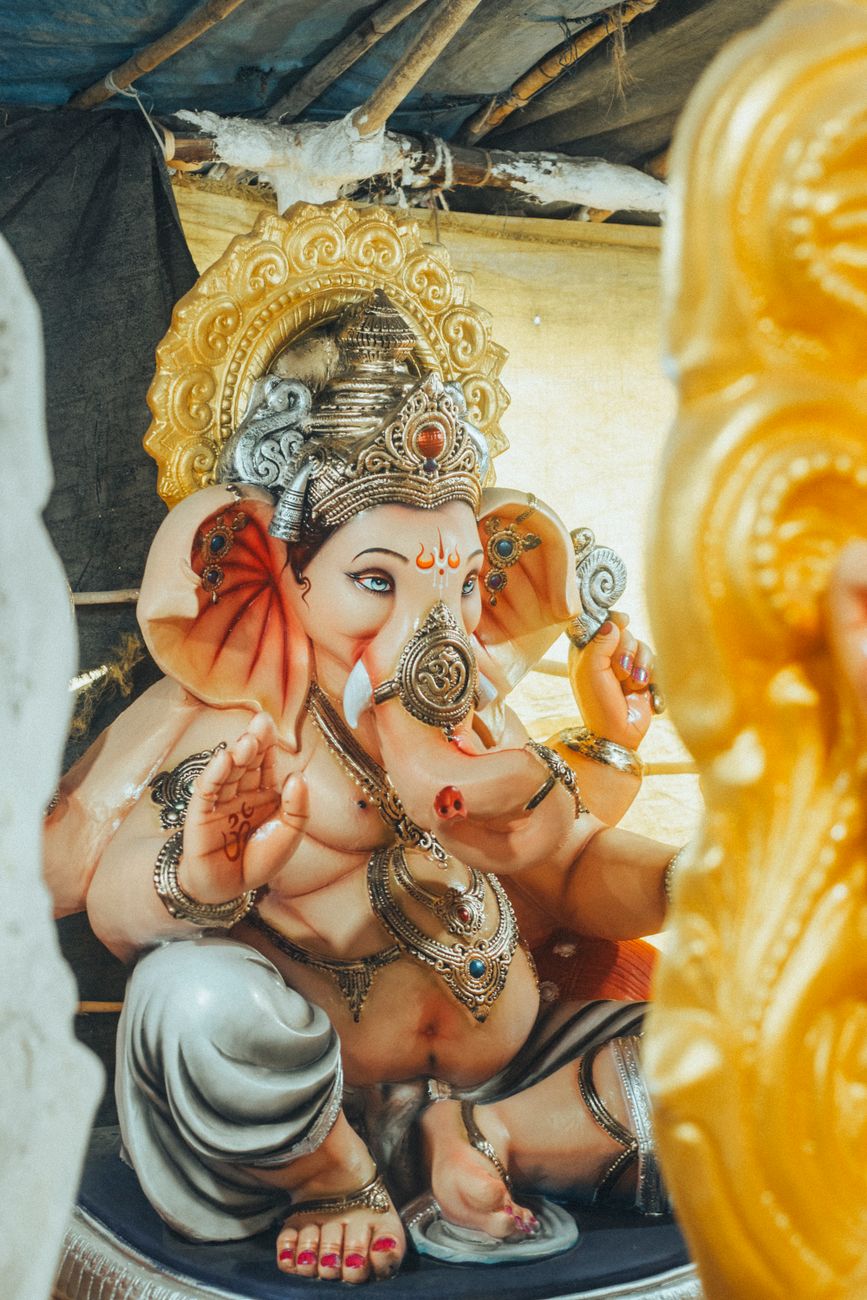
How Many Days to Keep Ganpati, and How to Choose
How Many Days to Keep Ganpati, and How to Choose
The options are one and a half, three, five, seven, ten or eleven days. All are traditional, all are complete observances, and the choice is made before installation rather than during the festival, because the duration is declared in the sankalp.
Here is what each involves and how households actually decide.
The 2026 Dates
Calculated from Ganesh Chaturthi on Monday, 14 September 2026. Confirm against your local panchang.
One and a half days: visarjan on Tuesday 15 September
Three days: Wednesday 16 September
Five days: Friday 18 September
Seven days: Sunday 20 September
Ten or eleven days: Anant Chaturdashi, Friday 25 September
Gauri visarjan, where the household observes Jyeshtha Gauri, falls within this period and is covered in our Jyeshtha Gauri guide.
What Each Option Actually Means
Dedh din, one and a half days
Install on the 14th, visarjan on the morning of the 15th. The most widely kept option in urban households and among working families.
Suits: first-time households, working couples, small flats, anyone who cannot commit to keeping the space attended for longer.
It is worth stating plainly that this is a full observance and not an abbreviated one. The installation, the daily worship and the uttar puja are all performed. Nothing is skipped, and the tradition treats it as complete.
Three days
A middle option, and a natural step up from dedh din for a household that kept the shorter version last year.
Five days
Common in Maharashtra and Gujarat, and a genuine commitment without being the full stretch.
Seven days
Less common domestically. Often kept where the household observes Gauri alongside, since the Gauri days fall within this window.
Ten or eleven days
The full observance, concluding on Anant Chaturdashi. This is what public pandals keep and what families with a long unbroken tradition keep.
Understand what it involves before choosing it. Ten days of twice-daily aarti, fresh flowers and durva each morning, naivedya, visitors, and a household that traditionally does not leave the idol unattended. It is a considerable commitment for a working household and it is the option most commonly abandoned partway.
How Households Actually Choose
Family tradition first. Where your family has kept a particular duration, that is the answer and there is little to decide. Ask an elder rather than choosing fresh.
Otherwise, choose by what you can genuinely sustain. The observance you complete properly is better than the longer one you struggle through, and this is the tradition’s own position rather than a modern accommodation. Our guide to what the tradition actually asks covers the consistent ranking of sincerity above scale.
Consider the practical constraints: who is at home during the day, whether anyone travels that week, how much space the idol occupies, and how you will manage visarjan.
First year: keep it short. One and a half or three days. You will know considerably more next year about what you actually want. Our first-time guide covers the whole process.
Does the Duration Bind You for Future Years?
The question underneath most of this.
The sankalp binds you for this year only. You declare a duration at installation and you keep it. That commitment ends with the visarjan.
Next year is a fresh decision. A household that kept ten days one year may keep three the next, and nothing in the tradition treats that as a lapse. Circumstances change: a move, a job, a birth, an illness, a death in the family.
Where a family has an unbroken multi-generational observance, that continuity carries weight within that family, and changing it is a family conversation rather than a scriptural question. Even there, the usual accommodation is to shorten rather than to stop.
Increasing is uncontroversial. Going from three days to five to ten over successive years is a common progression.
Changing the Duration Mid-Festival
Occasionally necessary, and worth knowing the position.
Shortening, where circumstances force it, is permitted. Perform the uttar puja properly and conclude. A genuine necessity, an illness, a bereavement, an unavoidable absence, is exactly the kind of situation the tradition’s exemptions exist for. Our guide to what tradition allows when an observance cannot be completed covers the principle, including what to do about a sankalp you cannot fulfil.
Extending is generally avoided, since the sankalp stated a duration. Where it happens, it is treated as the lesser irregularity.
If a death occurs in the family during the festival, the position is specific and our guide to Ganesh Chaturthi and sutak covers it.
Practical Considerations for Visarjan
Worth thinking about before you choose the duration rather than after.
A clay idol can be immersed at home in a bucket or drum, which removes the dependence on an immersion site entirely. Our eco-friendly visarjan guide covers the method.
Public immersion sites are at their most crowded on Anant Chaturdashi. The shorter durations avoid that entirely, which is a genuine consideration for a household with small children or elderly members.
Weekday matters. The 15th is a Tuesday and the 25th a Friday, both working days. The 20th is a Sunday, which is why seven days suits some households on purely practical grounds.
Uttar puja comes first, whichever day you choose. It formally concludes the hosting before the immersion and is the step most commonly skipped. Our uttar puja guide covers it.
What Does Not Change With Duration
Worth listing, because it is what makes the shorter options complete.
The installation and pran pratishtha are the same, and our pran pratishtha guide covers the full method. The daily worship is the same. The uttar puja is the same. The visarjan is the same.
Only the number of days between installation and conclusion differs. Nothing is omitted from a shorter observance, which is precisely why the tradition offers the choice.
Frequently Asked Questions
How many days should Ganpati be kept at home?
One and a half, three, five, seven, ten or eleven days. All are traditional and all are complete observances. The choice is made before installation because the duration is declared in the sankalp. For a first year, one and a half or three days is the sensible choice.
When is Ganpati visarjan in 2026?
Calculated from Ganesh Chaturthi on Monday 14 September: one and a half days is Tuesday 15 September, three days Wednesday 16th, five days Friday 18th, seven days Sunday 20th, and ten or eleven days on Anant Chaturdashi, Friday 25 September. Confirm against a local panchang.
Is a day and a half enough for Ganpati?
Yes. Dedh din is a full observance rather than an abbreviated one. The installation, daily worship and uttar puja are all performed, nothing is skipped, and it is the most widely kept option in urban households.
Can we keep Ganpati for fewer days than last year?
Yes. The sankalp binds you for that year only and ends with the visarjan. Next year is a fresh decision, and nothing treats a change as a lapse. Where a family has an unbroken multi-generational observance, changing it is a family conversation rather than a scriptural question.
Can the visarjan day be changed after installation?
Shortening is permitted where circumstances force it; perform the uttar puja properly and conclude. Extending is generally avoided since the sankalp stated a duration. A genuine necessity such as illness or bereavement is exactly what the tradition’s exemptions exist for.
What is the difference between a shorter and longer observance?
Only the number of days. The installation, pran pratishtha, daily worship, uttar puja and visarjan are identical. Nothing is omitted from a shorter observance, which is why the tradition offers the choice.
Choose What You Will Complete
The observance you keep properly matters more than the longer one you struggle through, and the tradition has said so consistently. For a first year that usually means a day and a half, which is a complete festival and leaves you knowing what you want next year.
Our first-time guide covers the whole process, our muhurat guide the installation timing, and our visarjan guide the immersion. Our brass deity idols and Pooja Essentials cover the pieces, with cash on delivery across India.
Festival and visarjan dates follow tithi and vary by city; confirm against a local panchang. Practices vary considerably by region, community and family.