✅ Authentic & Original Products | ⭐ Trusted by Thousands | 💵 Cash on Delivery | 🚚 Pan India Delivery | 🔒 Secure Payments
✅ Authentic & Original Products | ⭐ Trusted by Thousands | 💵 Cash on Delivery | 🚚 Pan India Delivery | 🔒 Secure Payments








Ahoi Ashtami 2026: The Mothers’ Fast, Vrat Vidhi and When to Break It
Ahoi Ashtami 2026: The Mothers’ Fast, Vrat Vidhi and When to Break It
Ahoi Ashtami falls on Sunday, 1 November 2026. Mothers keep a day-long fast for the wellbeing and long life of their children, breaking it after sighting the stars in the evening.
It falls on Krishna Ashtami in Kartik, three days after Karwa Chauth and eight days before Diwali, and in many households the two fasts are kept by the same women in the same week.
What the Day Is
Where Karwa Chauth is kept for a husband, Ahoi Ashtami is kept for children. The observance is addressed to Ahoi Mata, a form of the Divine Mother invoked specifically as the protector of children.
It is observed most widely across North India, in Uttar Pradesh, Rajasthan, Haryana, Punjab, Delhi and Madhya Pradesh, and it is traditionally kept by mothers of sons, though a great many households now keep it for all children without distinction.
Women without children, and those who have lost a child, also keep it, and the tradition holds it as a fast for children generally rather than only one’s own.
The Story
A woman digging clay near her home to repair her house accidentally struck and killed a lion cub with her spade. Returning home in distress, she found that misfortune followed, and in some tellings her own children died.
Advised by the women of her village, she drew an image of Ahoi Mata on her wall and kept a fast, asking forgiveness for the harm done unknowingly. Her children were restored to her, and the observance passed into practice.
The reading usually given is about harm caused without intent, and the possibility of repair through sincerity rather than through ritual alone.
The Vrat
The fast begins at sunrise and is kept without food. Practice on water divides: many households keep it nirjala, entirely without water, while a great many others permit water through the day. Both are traditional, and families follow their own custom.
It is broken in the evening after sighting the stars. This is the notable difference from Karwa Chauth, which waits for the moon. Stars appear considerably earlier, which makes Ahoi Ashtami the shorter of the two fasts.
Some regional traditions wait for the moon instead, which rises very late on this tithi. If your family follows that practice, be prepared for a long evening.
The Puja Vidhi
Morning
Bathe early and take the sankalpa, stating the intention to keep the fast for your children’s wellbeing.
Preparing the Image
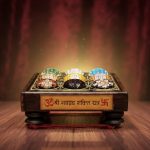
Traditionally an image of Ahoi Mata is drawn on the wall, along with seven or eight figures representing her children, using geru or a coloured paste. Households now more commonly use a printed image or a wall hanging, which is entirely accepted.
Alongside her, the lioness and her cubs are drawn or shown, from the story.
Evening Puja
Perform the puja before the stars appear.
Set out a kalash filled with water, covered, with a lit diya beside it. Offer roli, akshat, flowers and a sweet, traditionally halwa and puri. Place eight puris and eight sweets before the image, matching the ashtami count.
The distinctive object of the day is the sui-dhaga, a silver needle and thread, or a silver chain or coin, kept on the puja thali. In many families the same silver piece passes from mother to daughter, and is added to over the years.
Recite the Ahoi Ashtami katha, usually in a gathering of the women of the household and neighbourhood. Perform aarti.
Breaking the Fast
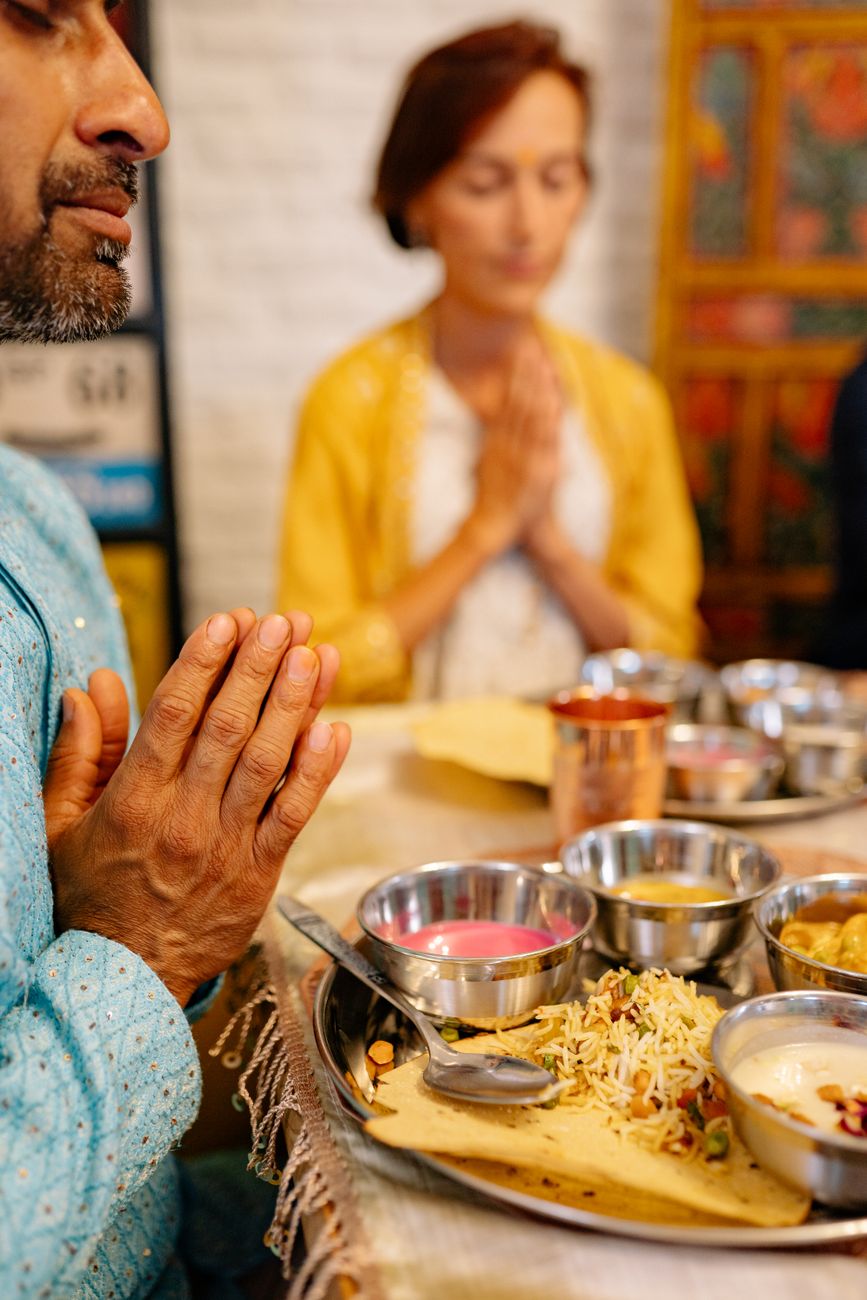
Look at the stars, offer arghya with water from the kalash, and break the fast. Elders are touched for blessings, and children receive prasad and often a small gift.
The kalash water is traditionally kept and used on Diwali or Holi in some households.
Alongside Karwa Chauth
The two fasts fall three days apart in 2026, on 29 October and 1 November, and many women keep both in the same week.
Worth being practical about that. Two nirjala fasts within four days is demanding, and the tradition has never insisted. Households commonly keep Karwa Chauth nirjala and Ahoi Ashtami with water, or the reverse, and both are accepted.
Anyone pregnant, unwell, or managing a medical condition should adapt the fast or have someone else keep it on their behalf, which is entirely within the tradition. Speak to a doctor if there is any doubt.
Our Karwa Chauth 2026 guide covers the observance three days earlier.
Gifting on the Day
Gifting on Ahoi Ashtami runs toward children rather than between adults, and it is usually small: a sweet, a coin, something kept.
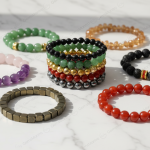
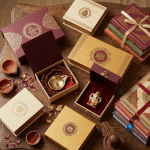
Where households mark it with something lasting, protective pieces are the traditional choice. Our crystal bracelet collection and the religious gift items range cover the usual options.
The silver sui-dhaga or chain kept on the thali is often the piece that is added to, and many families treat that as the gift of the day rather than anything new.
Frequently Asked Questions
When is Ahoi Ashtami 2026?
Sunday, 1 November 2026, on Krishna Ashtami in Kartik. It falls three days after Karwa Chauth and eight days before Diwali.
Why do mothers keep the Ahoi Ashtami fast?
It is kept for the wellbeing and long life of children, addressed to Ahoi Mata, invoked as the protector of children. It is traditionally kept by mothers of sons, though most households now keep it for all children.
When is the Ahoi Ashtami fast broken?
After sighting the stars in the evening, which distinguishes it from Karwa Chauth, where the fast waits for the moon. Some regional traditions do wait for the moon, which rises very late on this tithi.
Is Ahoi Ashtami a nirjala fast?
Practice varies. Many households keep it nirjala, entirely without water, while many others permit water through the day. Both are traditional and families follow their own custom.
What is the sui-dhaga on the Ahoi Ashtami thali?
A silver needle and thread, or a silver chain or coin, kept on the puja thali. In many families the same silver piece passes from mother to daughter and is added to over the years.
Can Ahoi Ashtami be kept by women without children?
Yes. Women without children and those who have lost a child also keep it, and the tradition holds it as a fast for children generally rather than only for one’s own.
A Fast Kept for Someone Else
Ahoi Ashtami is a small observance in a crowded month, sitting between Karwa Chauth and Dhanteras and easily missed by anyone not keeping it. For the women who do, it is the one day of the year given entirely to the wellbeing of their children.
Our Dhanteras 2026 guide covers the day the festival season turns commercial again, five days later.
Ritual practices vary by region and family; follow your own household tradition where it differs. Fasting practices are described as tradition rather than health guidance. Anyone pregnant, unwell or managing a medical condition should adapt the fast or consult a doctor.