✅ Authentic & Original Products | ⭐ Trusted by Thousands | 💵 Cash on Delivery | 🚚 Pan India Delivery | 🔒 Secure Payments
✅ Authentic & Original Products | ⭐ Trusted by Thousands | 💵 Cash on Delivery | 🚚 Pan India Delivery | 🔒 Secure Payments









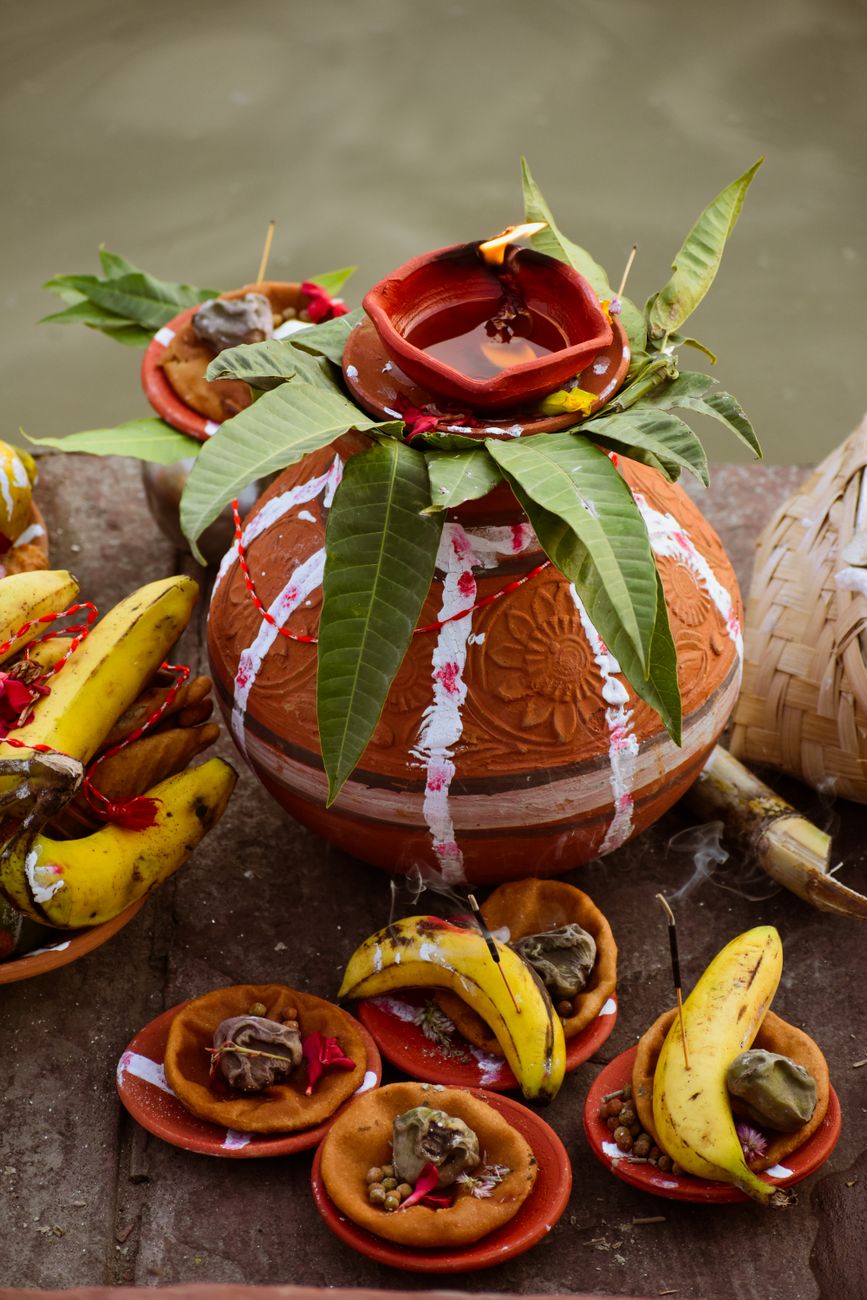
Pitru Paksha 2026: Dates, Shraddh Vidhi and What Tradition Asks You to Avoid
Pitru Paksha 2026: Dates, Shraddh Vidhi and What Tradition Asks You to Avoid
Pitru Paksha runs from Sunday, 27 September to Saturday, 10 October 2026, concluding with Sarva Pitru Amavasya on 10 October. It is a fortnight given entirely to the ancestors, and Navratri begins the following day.
This guide covers what the period is, how shraddh is performed, which tithi applies to whom, and the customs about what is set aside during these sixteen days.
Pitru Paksha 2026 Dates
Begins: Sunday, 27 September 2026, on Bhadrapada Purnima
Sarva Pitru Amavasya (Mahalaya Amavasya): Saturday, 10 October 2026
Navratri begins: Sunday, 11 October 2026
The fortnight falls in Krishna Paksha of Bhadrapada in the Purnimanta reckoning, and is known regionally as Kanagat, Sola Shraddha and Mahalaya Paksha.
What Pitru Paksha Is
Hindu tradition holds three debts owed by every person: to the gods, to the sages, and to the ancestors. Pitru Paksha is the annual period for the third.
During these sixteen days, the departed of the preceding three generations are said to be closest to the living, and offerings made now are believed to reach them directly. The purpose is not mourning but maintenance: acknowledging that you exist because they did, and that the obligation runs both ways.
The Mahabharata carries the origin story. Karna, on reaching the afterlife, was offered gold rather than food, because he had given gold generously in life but never made offerings to his ancestors. He was granted a fortnight’s return to earth to perform shraddh, and that fortnight became Pitru Paksha.
Which Tithi Applies
Shraddh is performed on the tithi corresponding to the day of the ancestor’s death, not on a fixed date. If a parent died on Panchami, their shraddh falls on the Panchami within Pitru Paksha.
Several tithis carry particular assignments:
Chaturthi and Panchami: Bharani Shraddh, for those who died within the past year.
Navami: Matru Navami, for departed mothers and married women of the family.
Ekadashi and Dwadashi: for sanyasis and those who took renunciation.
Chaturdashi: for those who died by accident or violence.
Amavasya: Sarva Pitru Amavasya, for all ancestors, and for anyone whose date of death is unknown.
That last one matters practically. If you do not know the tithi, or cannot observe on the correct day, Sarva Pitru Amavasya on 10 October covers everyone.
Shraddh, Tarpan and Pind Daan
Three practices, often conflated, that serve different purposes.
Tarpan is the offering of water, usually mixed with black sesame, barley and kusha grass, poured through the fingers toward the south. It is the simplest of the three and can be performed daily through the fortnight.
Pind Daan is the offering of pindas, balls of cooked rice mixed with ghee, black sesame and barley, representing sustenance for the departed. Gaya in Bihar is the most significant location for it, though it is performed at home across the country.
Shraddh is the full ritual, including tarpan and pind daan alongside the feeding of brahmins, the offering of food to a cow, a crow and a dog, and daan to those in need.
The crow matters more than it might appear. Crows are traditionally regarded as messengers of the ancestors, and food set aside for them is considered to reach the departed directly. Households watch to see whether the offering is taken.
A Simple Home Observance
Not everyone can perform a full shraddh with a priest, and the tradition accommodates that.
Bathe early and wear clean, preferably undyed or white clothing. Prepare satvik food without onion or garlic, including something the departed particularly liked if you remember it. Set aside portions for the cow, the crow and the dog before anyone eats.
Perform tarpan with water and black sesame, facing south, offering it through the fingers while remembering the departed by name where you know them.
Light a lamp with sesame oil. Offer food to someone in need, which is considered the most important element of the day by many traditions.
Speak about them. Several traditions hold that remembrance is the substance of shraddh and the ritual its form.
What Is Traditionally Set Aside
These are widely observed customs rather than rules, and practice varies considerably by family and region.
New purchases. Vehicles, property, jewellery, gold, new clothes and household goods are traditionally deferred until after Sarva Pitru Amavasya. This is the most widely followed of the customs, and it is why Indian markets visibly slow during this fortnight.
Auspicious beginnings. Weddings, engagements, griha pravesh, mundan and new ventures are postponed. Navratri, beginning immediately afterwards, is when these resume.
Certain foods. Non-vegetarian food, onion, garlic, masoor dal and alcohol are avoided by observing households.
Grooming. Some families avoid haircuts, shaving and nail cutting for the person performing the shraddh, particularly on the day itself.
Celebration. Birthdays and anniversaries are marked quietly, and large festivities are deferred.
Observance varies widely. Some households keep all of this strictly, others only the shraddh day itself, and many working families do what the calendar allows.
On Pitru Dosh
Pitru Dosh is described in Vedic astrology as an affliction arising from unfulfilled obligations to ancestors, and Pitru Paksha is traditionally considered the period for addressing it.
A word of caution here, offered plainly. Fear around Pitru Dosh is heavily exploited, and people are regularly sold expensive remedies for it. The traditional remedies are not costly: shraddh performed sincerely, tarpan, feeding those in need, and daan. If someone is quoting you a large sum to remove Pitru Dosh, the tradition itself does not require it.
Consult an astrologer you trust if you want a chart examined, but be sceptical of anyone whose diagnosis arrives with a price list.
Frequently Asked Questions
When is Pitru Paksha 2026?
Pitru Paksha 2026 runs from Sunday, 27 September to Saturday, 10 October, concluding with Sarva Pitru Amavasya on 10 October. Navratri begins the following day.
Can new things be bought during Pitru Paksha?
Tradition sets aside new purchases, particularly vehicles, property, jewellery and new clothes, until after Sarva Pitru Amavasya. Auspicious beginnings such as weddings and griha pravesh are also deferred, and typically resume with Navratri. These are customs rather than rules, and observance varies by family.
What is Sarva Pitru Amavasya?
The final day of Pitru Paksha, on 10 October 2026, when offerings are made to all ancestors regardless of their tithi. It is the day for anyone whose date of death is unknown, or who could not observe on the correct tithi.
Which day should shraddh be performed?
On the tithi corresponding to the ancestor’s day of death. If that is unknown or cannot be observed, Sarva Pitru Amavasya on 10 October covers all ancestors.
What is the difference between tarpan and pind daan?
Tarpan is the offering of water with black sesame, poured toward the south, and can be performed daily. Pind daan is the offering of rice balls mixed with ghee, sesame and barley, representing sustenance for the departed. Shraddh is the fuller ritual that includes both alongside daan and the feeding of a cow, crow and dog.
Can shraddh be performed at home without a priest?
Yes. A simple observance of satvik food, portions set aside for the cow, crow and dog, tarpan with water and sesame facing south, a sesame oil lamp, and food given to someone in need is a complete home observance in most traditions.
A Fortnight of Remembering
Pitru Paksha asks for very little that costs anything: some water, some sesame, food set aside before you eat, and the names of people you came from spoken aloud.
Navratri follows on 11 October, and our Navratri 2026 guide covers the nine nights that begin the moment this fortnight ends.
Ritual practices described here follow common tradition and vary considerably by region, community and family. Follow your own family’s practice where it differs, and consult your family priest for the fuller vidhi.