✅ Authentic & Original Products | ⭐ Trusted by Thousands | 💵 Cash on Delivery | 🚚 Pan India Delivery | 🔒 Secure Payments
✅ Authentic & Original Products | ⭐ Trusted by Thousands | 💵 Cash on Delivery | 🚚 Pan India Delivery | 🔒 Secure Payments







Makar Sankranti 2027: Uttarayan, the Punya Kaal and the One Festival That Never Moves
Makar Sankranti 2027: Uttarayan, the Punya Kaal and the One Festival That Never Moves
Makar Sankranti falls on Thursday, 14 January 2027. In Gujarat it is Uttarayan, and in Ahmedabad it is the day the city goes to its terraces and does not come down until after dark.
This guide covers what the festival marks, why its date is fixed when every other Hindu festival moves, the punya kaal window, and how it is kept across the country.
The One Festival That Does Not Move
Every other major Hindu festival follows the lunar calendar, which is why Diwali fell in October in 2025 and November in 2026.
Makar Sankranti is different. It is a solar event, marking the sun’s transit into Makara, the sign of Capricorn, which is why it lands on 14 January almost every year, occasionally on the 15th.
This transit begins Uttarayan, the northward journey of the sun, running until the summer solstice. Days lengthen from here, and the tradition treats the whole period as auspicious. The Mahabharata records Bhishma, granted the choice of his moment of death, waiting on his bed of arrows for Uttarayan to begin before letting go.
The Punya Kaal
The most auspicious window falls in the hours following the sankranti moment, called the punya kaal, when daan, snan and puja are held to carry particular merit.
The exact window depends on the transit time and shifts by city, so check a panchang closer to the date. As a general rule, if the transit falls in the morning, the punya kaal runs through the day.
Traditional practice for the morning: bathe before sunrise, ideally in a river where possible, offer arghya to the rising sun with water poured from a vessel, and recite the Gayatri mantra or Surya mantras.
Uttarayan in Gujarat
Gujarat observes Makar Sankranti as Uttarayan, and it is the largest single-day event in the state calendar.
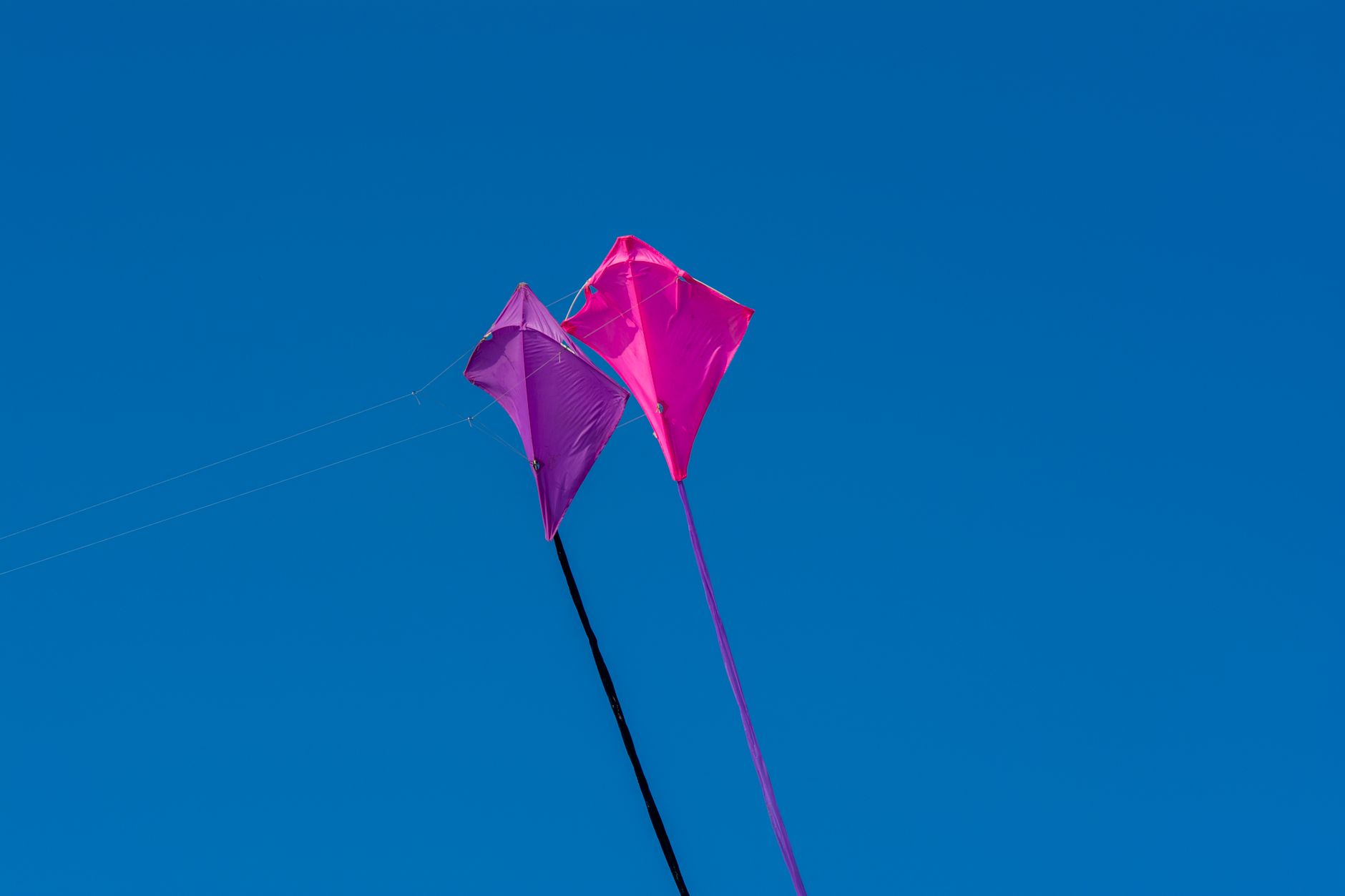
The kites go up at first light. Terraces across Ahmedabad fill with families, food and loudspeakers, and stay full until the sky is dark. The call of kai po che carries across the city whenever a kite is cut, along with lapet as the string is reeled in.
Manja preparation begins weeks earlier. The kite markets at Raipur and Kalupur in Ahmedabad run through the night in the days before, and Patang Bazaar becomes effectively impassable.
The following day is Vasi Uttarayan, when the flying continues at a gentler pace.
At nightfall, tukkals, paper lanterns, are attached to strings and sent up, and the sky over the city fills with lights.
A word on manja, said plainly. Glass-coated and synthetic Chinese manja causes serious injuries to birds and to people every year, and is banned in Gujarat. Use cotton thread, keep the terrace edges safe, and if you find an injured bird, the rescue helplines operate through both days.
Til and Gud
Sesame and jaggery are the food of the festival across the entire country, and the reason is seasonal rather than symbolic in origin. Both are warming foods, and Makar Sankranti falls at the coldest point of the North Indian winter.
In Maharashtra, tilgul laddoos are exchanged with the phrase meaning take this til-gud and speak sweetly, which functions as an invitation to set aside whatever went wrong the previous year.
In Gujarat, undhiyu and chikki are the terrace foods. In Punjab, Lohri is celebrated the evening before, on 13 January, around a bonfire with rewri and gajak. In Tamil Nadu, Pongal runs several days, with rice boiled until it overflows the pot as a sign of abundance. In Assam it is Magh Bihu, and in Karnataka the Ellu Bella exchange follows the same principle as tilgul.
Daan on Sankranti
Giving is central to the day, more so than to most festivals.
Traditional items are sesame, jaggery, rice, dal, blankets, warm clothing and ghee, given to those in need. Khichdi is prepared and distributed, which is why the day is called Khichdi in parts of Uttar Pradesh and Bihar.
Blankets carry particular emphasis, being the practical need of the season, and many households make this their principal charitable act of the year.
Surya and the Stones of the Sun
Makar Sankranti is a Surya festival, and the traditional associations follow from that.
Ruby is the classical gemstone of the Sun in Vedic astrology, though it is prescribed after a chart reading rather than worn generally. Among crystals, the ones traditionally associated with solar qualities, warmth, confidence and vitality are Citrine, Sunstone, Tiger Eye and Carnelian.
Our Carnelian bracelet and the crystal bracelet collection cover these. For anyone whose chart indicates a weak Sun, our certified gemstone range is the route, though a chart reading should come first.
Sankranti is also a common day to begin wearing something new, since the period it opens is considered auspicious throughout.
Frequently Asked Questions
When is Makar Sankranti 2027?
Thursday, 14 January 2027. Unlike most Hindu festivals it follows the solar calendar rather than the lunar one, marking the sun’s transit into Capricorn, which is why it falls on 14 January nearly every year.
Why does Makar Sankranti not change dates like Diwali?
Because it is a solar event rather than a lunar one. It marks the sun’s entry into Makara, the sign of Capricorn, which occurs at nearly the same point in the Gregorian year each time. Lunar festivals such as Diwali shift by weeks between years.
What is Uttarayan?
Uttarayan is the northward journey of the sun that begins at Makar Sankranti and runs to the summer solstice. In Gujarat the name is also used for the festival itself, celebrated with the kite flying that fills the skies over Ahmedabad and the rest of the state.
What should be donated on Makar Sankranti?
Sesame, jaggery, rice, dal, ghee, blankets and warm clothing are the traditional items. Khichdi is prepared and distributed, and blankets carry particular emphasis given the season.
Why are til and gud eaten on Makar Sankranti?
Both are warming foods, and the festival falls at the coldest point of the North Indian winter. In Maharashtra tilgul is exchanged with a phrase inviting the recipient to speak sweetly, which functions as a reconciliation at the turn of the year.
Is Pongal the same as Makar Sankranti?
They fall on the same solar event. Pongal in Tamil Nadu runs across several days, Lohri in Punjab is celebrated the evening before on 13 January, Magh Bihu is observed in Assam, and Uttarayan in Gujarat. The occasion is shared and the observances differ.
Kai Po Che
Most festivals ask you to stay in. Uttarayan sends the whole city upward, onto terraces, looking at the sky from dawn until the tukkals go up after dark.
Our Tulsi Vivah guide covers the wedding season that opens in November, and the Bestu Varas guide covers the Gujarati New Year.
Festival dates follow the solar transit and may occasionally fall on 15 January; confirm punya kaal timings with a local panchang. Glass-coated and synthetic manja is banned in Gujarat and causes serious injury to birds and people. Spiritual and astrological beliefs described here follow traditional practice. These products are not intended to diagnose, treat, cure or prevent any medical condition.