✅ Authentic & Original Products | ⭐ Trusted by Thousands | 💵 Cash on Delivery | 🚚 Pan India Delivery | 🔒 Secure Payments
✅ Authentic & Original Products | ⭐ Trusted by Thousands | 💵 Cash on Delivery | 🚚 Pan India Delivery | 🔒 Secure Payments





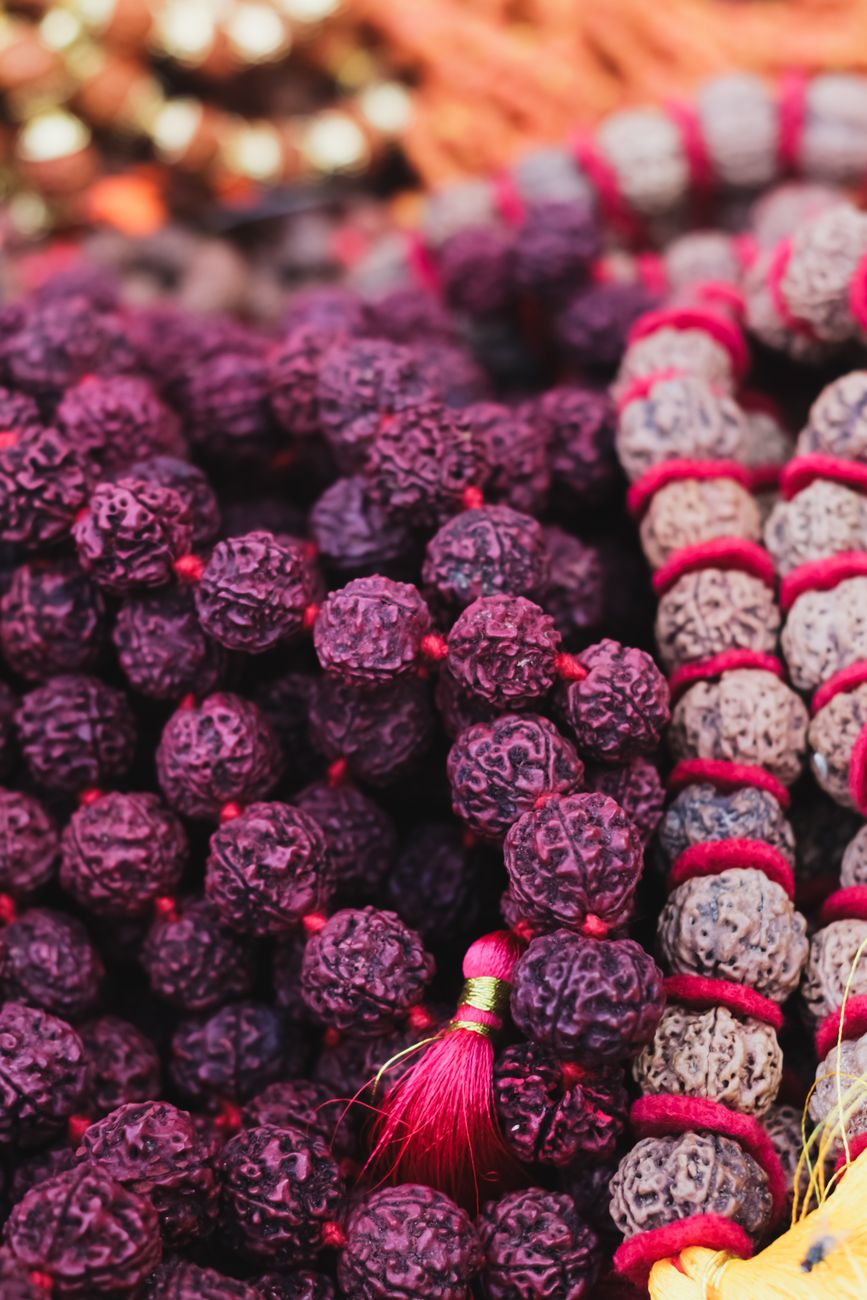
Rudraksha Mukhi Guide: Which One to Wear and Why
Rudraksha Mukhi Guide: Which One to Wear and Why
Rudraksha beads are classified by mukhi, the natural vertical lines running down the surface of the seed. A bead with five lines is a five mukhi, one with three is a three mukhi, and each number carries its own deity, ruling planet and traditional use.
This guide covers what each mukhi is for, how to choose, the rules of wearing, and how to tell a genuine bead from a carved one.
What Rudraksha Is
Rudraksha is the seed of the Elaeocarpus ganitrus tree, grown principally in Nepal, Indonesia and parts of India. The name comes from Rudra, a form of Shiva, and aksha, meaning eye or tear.
The tradition holds that the seeds arose from Shiva’s tears, wept after long meditation on the condition of the world, and this is why the bead is treated as his rather than as an ordinary seed.
Nepali beads are generally larger with deeper mukhi lines, while Indonesian beads are smaller and more uniform. Both are genuine; the difference is size and origin rather than authenticity.
The Mukhis
1 Mukhi. Shiva himself, ruled by Surya. The rarest and most revered, traditionally associated with detachment and single-pointed focus. Genuine one mukhi beads are extremely rare and the market is full of imitations, so approach any inexpensive offer with scepticism.
2 Mukhi. Ardhanarishvara, ruled by Chandra. Associated with harmony, partnership and balance between opposites. Commonly worn for relationships and family. See our 2 Mukhi Rudraksha.
3 Mukhi. Agni, ruled by Mangal. Associated with release from the weight of past error, and with confidence. Often recommended for people carrying guilt or stuck in self-blame. See our 3 Mukhi Rudraksha.
4 Mukhi. Brahma, ruled by Budh. Associated with knowledge, learning, expression and clarity of speech. The traditional bead for students, teachers and writers. See our 4 Mukhi Rudraksha.
5 Mukhi. Kalagni Rudra, ruled by Guru. The most common bead and the one most malas are made from. Associated with general wellbeing, calm and the settling of the mind. This is the bead anyone may wear without a chart reading, and it is where nearly everyone starts. See our 5 Mukhi Rudraksha.
6 Mukhi. Kartikeya, ruled by Shukra. Associated with courage, willpower and follow-through. Traditionally worn by those who begin things and struggle to finish them. See our 6 Mukhi Rudraksha.
7 Mukhi. Mahalakshmi, ruled by Shani. Associated with prosperity and with relief during difficult Shani periods including Sade Sati. See our 7 Mukhi Rudraksha.
8 Mukhi. Ganesha, ruled by Rahu. Associated with the removal of obstacles and with steadiness through disruption. See our 8 Mukhi Rudraksha.
9 Mukhi. Durga, ruled by Ketu. Associated with strength, protection and the dissolving of fear.
10 Mukhi. Vishnu, with no single ruling planet. Traditionally worn for protection generally.
11 Mukhi. Hanuman. Associated with self-control, courage and steadiness of practice.
12 Mukhi. Surya. Associated with leadership, vitality and visibility.
13 Mukhi. Kamadeva, ruled by Shukra. Associated with charm and persuasion.
14 Mukhi. Hanuman, ruled by Shani. Among the most revered after one mukhi, associated with intuition and decision-making.
Gauri Shankar. Two beads naturally joined, associated with union and with relationships specifically.
Our full range sits in the Rudraksha collection.
How to Choose
The honest answer for most people is to start with five mukhi.
It is the bead universally described as suitable for anyone, it requires no chart reading, it is the most widely available and therefore the least often faked, and it is what nearly every mala is made from. Wearing one for some months before adding anything else is the traditional route.
Beyond that, two approaches exist. Choose by the quality you are working on, using the list above. Or choose by planetary need, which requires a chart reading, since the point there is strengthening a planet that is weak rather than one that is already strong.
Be wary of anyone diagnosing an urgent need for an expensive high mukhi bead on a first conversation. The tradition does not require expense, and the beads most people benefit from are the common ones.
The Rules of Wearing
Rudraksha carries more rules than most items, and observance varies.
Beginning. Monday is the traditional day, being Shiva’s. Mahashivratri, Shravan month and Navratri are the auspicious periods.
Before first wear. Soak the bead in raw milk or Gangajal overnight, wipe it clean, apply sandalwood paste, and recite Om Namah Shivaya, traditionally 108 times.
Stringing. Silk, cotton or silver thread traditionally. Silver, gold and copper caps are all acceptable.
Wearing. Around the neck, on the wrist, or as a mala for japa. It may be worn continuously.
What is traditionally avoided. Removing it at a cremation or during a period of ritual impurity in the household. Many traditions also advise removing it during intimacy. Practices vary considerably and families follow their own.
On diet. A common claim is that rudraksha requires vegetarianism. Traditional texts emphasise the wearer’s conduct and sincerity rather than imposing a dietary rule, and practice differs widely across communities. Follow your own tradition or your teacher’s guidance rather than an internet rule.
Care. Oil it occasionally with mustard or olive oil to prevent cracking. Do not leave it soaking. Clean it with water and dry it fully.
Telling Genuine from Carved
The rudraksha market has a serious counterfeit problem, particularly for rare mukhis, since a carved bead can be sold for many times the price of a common one.
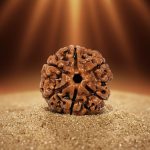
The mukhi lines. Genuine lines are natural fissures running from the top opening to the bottom, irregular in depth and spacing. Carved lines are too even, too straight, and often cut across the surface rather than following it.
The surface. Genuine rudraksha has an irregular, knotted texture with natural pits and ridges. Look at whether the mukhi lines respect that texture or cut through it, which indicates carving.
Under magnification. Tool marks along the lines are the clearest evidence of carving.
Certification. For anything above five mukhi, buy certified. Lab certification confirms the mukhi count and that the bead is uncarved, and this matters more as the mukhi number rises and the price with it.
Price scepticism. A cheap one mukhi or fourteen mukhi bead is not what it claims to be. Rarity is real and it is reflected in price.
A note on the water test, widely repeated online: whether a bead sinks or floats depends on density and moisture content, and both genuine and fake beads can do either. It is not a reliable test and should not be relied on.
Frequently Asked Questions
Which rudraksha should a beginner wear?
Five mukhi. It is described as suitable for anyone, requires no chart reading, is the most widely available and least often faked, and is what nearly every mala is made from. Wearing it for some months before adding another mukhi is the traditional route.
Can anyone wear rudraksha?
Five mukhi is traditionally described as suitable for anyone regardless of age, gender or background. Higher mukhis tied to specific planets are better chosen after a chart reading, since the aim there is strengthening a weak planet rather than an already strong one.
Do you have to be vegetarian to wear rudraksha?
Traditional texts emphasise the wearer’s conduct and sincerity rather than imposing a dietary rule, and practice varies widely across communities. Follow your own family tradition or your teacher’s guidance rather than a general internet rule.
How do I tell if a rudraksha is genuine?
Genuine mukhi lines are natural fissures running from the top opening to the bottom, irregular in depth and spacing, following the bead’s knotted surface texture. Carved lines are too even and often cut across the texture, with tool marks visible under magnification. For anything above five mukhi, buy certified. The water float test is unreliable and should not be relied on.
When should I start wearing a rudraksha?
Monday is the traditional day, being associated with Shiva. Mahashivratri, the month of Shravan and Navratri are the auspicious periods. Before first wear, soak the bead in raw milk or Gangajal overnight, apply sandalwood paste and recite Om Namah Shivaya.
How should a rudraksha be cared for?
Oil it occasionally with mustard or olive oil to prevent cracking, clean it with water and dry it fully, and do not leave it soaking. Strung on silk, cotton or silver thread, it may be worn continuously.
Start Simple
The most useful advice on rudraksha is also the least profitable to give: begin with a five mukhi, wear it for a while, and add nothing until you have a reason to.
Our certified Rudraksha collection and japa maalas cover the range, with cash on delivery across India.
Spiritual and astrological benefits described here are based on traditional beliefs and practices. Individual experiences vary according to personal faith, practice and intention. Practices around wearing rudraksha vary considerably by community; follow your own tradition. These products are not intended to diagnose, treat, cure or prevent any medical condition.